SPECIAL OFFER • LIMITED TIME

Ruzave Alliance

Get real-time shipping updates, verified business visibility, and growth tools for your Alliance Group — First Come, First Serve.

Ruzave Alliance
Verified Network
📈 Business Growth/Chat
🌍 Global Community
Trusted by shipping professionals • Download the app now

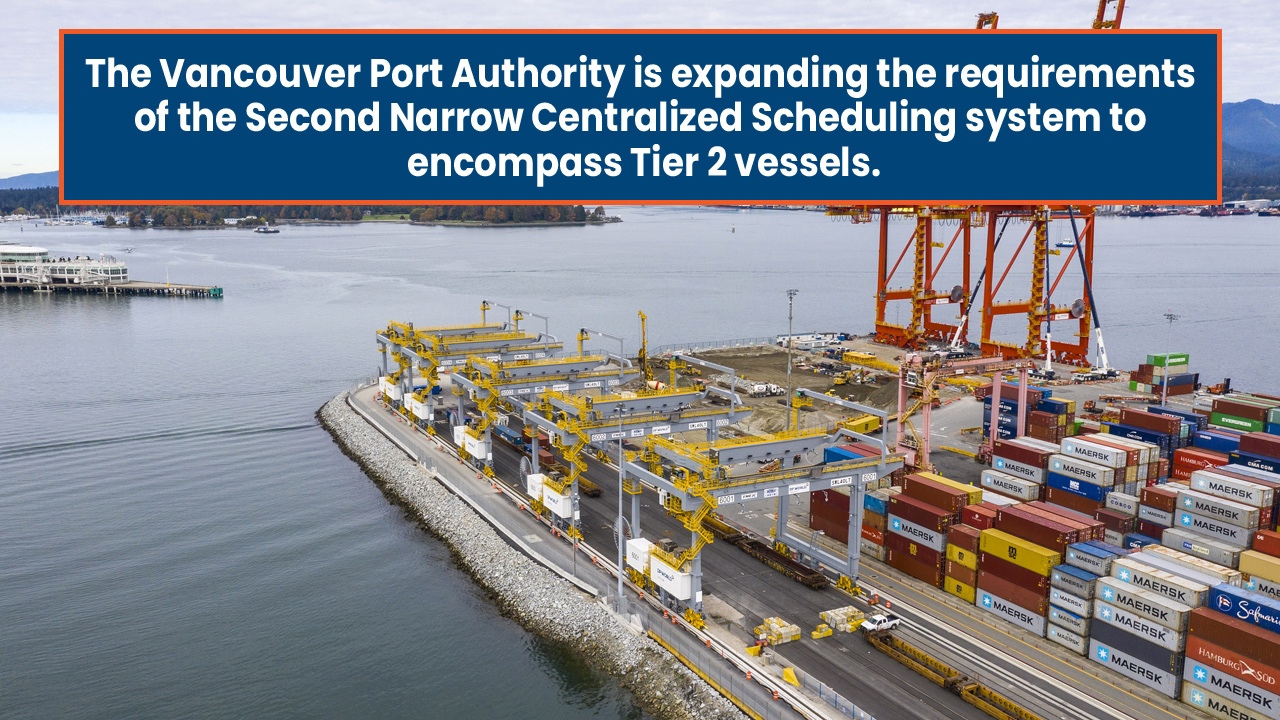
The Vancouver Port Authority is expanding the requirements of the Second Narrow Centralized Scheduling system to encompass Tier 2 vessels.

The Vancouver Port Authority is expanding the requirements of the Second Narrow Centralized Scheduling system to encompass Tier 2 vessels.
blog image
Maritime

The Vancouver Port Authority is expanding the requirements of the Second Narrow Centralized Scheduling system to encompass Tier 2 vessels.

The Vancouver Port Authority's decision to expand the Second Narrow Centralized Scheduling (SNCS) system to include Tier 2 vessels represents a significant step toward enhancing operational efficiency and reducing congestion at the port. The SNCS, initially designed for larger vessels, aims to streamline scheduling processes and improve traffic management in the port's busy waterways. By incorporating Tier 2 vessels, which typically include smaller cargo ships and tankers, the authority seeks to create a more integrated approach to vessel scheduling. This change is expected to optimize berth utilization, minimize waiting times, and enhance overall service levels for all shipping operators. The expansion is also likely to have positive ripple effects on supply chain reliability and environmental sustainability, as improved scheduling can lead to reduced emissions and better resource allocation. Stakeholders, including shipping companies and logistics providers, are encouraged to familiarize themselves with the new requirements and prepare for the upcoming changes to ensure smooth implementation.

28 Oct 24
blog image
Maritime

The Vancouver Port Authority is expanding the requirements of the Second Narrow Centralized Scheduling system to encompass Tier 2 vessels.

The Vancouver Port Authority's decision to expand the Second Narrow Centralized Scheduling (SNCS) system to include Tier 2 vessels represents a significant step toward enhancing operational efficiency and reducing congestion at the port. The SNCS, initially designed for larger vessels, aims to streamline scheduling processes and improve traffic management in the port's busy waterways. By incorporating Tier 2 vessels, which typically include smaller cargo ships and tankers, the authority seeks to create a more integrated approach to vessel scheduling. This change is expected to optimize berth utilization, minimize waiting times, and enhance overall service levels for all shipping operators. The expansion is also likely to have positive ripple effects on supply chain reliability and environmental sustainability, as improved scheduling can lead to reduced emissions and better resource allocation. Stakeholders, including shipping companies and logistics providers, are encouraged to familiarize themselves with the new requirements and prepare for the upcoming changes to ensure smooth implementation.


28 Oct 24
blog image
Maritime

The Vancouver Port Authority is expanding the requirements of the Second Narrow Centralized Scheduling system to encompass Tier 2 vessels.

The Vancouver Port Authority's decision to expand the Second Narrow Centralized Scheduling (SNCS) system to include Tier 2 vessels represents a significant step toward enhancing operational efficiency and reducing congestion at the port. The SNCS, initially designed for larger vessels, aims to streamline scheduling processes and improve traffic management in the port's busy waterways. By incorporating Tier 2 vessels, which typically include smaller cargo ships and tankers, the authority seeks to create a more integrated approach to vessel scheduling. This change is expected to optimize berth utilization, minimize waiting times, and enhance overall service levels for all shipping operators. The expansion is also likely to have positive ripple effects on supply chain reliability and environmental sustainability, as improved scheduling can lead to reduced emissions and better resource allocation. Stakeholders, including shipping companies and logistics providers, are encouraged to familiarize themselves with the new requirements and prepare for the upcoming changes to ensure smooth implementation.


28 Oct 24