SPECIAL OFFER • LIMITED TIME

Ruzave Alliance

Get real-time shipping updates, verified business visibility, and growth tools for your Alliance Group — First Come, First Serve.

Ruzave Alliance
Verified Network
📈 Business Growth/Chat
🌍 Global Community
Trusted by shipping professionals • Download the app now

The Ro-Ro service is struggling to keep up with the growing traffic flow.

The Ro-Ro service is struggling to keep up with the growing traffic flow.
blog image
Maritime
Port Terminal Services

The Ro-Ro service is struggling to keep up with the growing traffic flow.

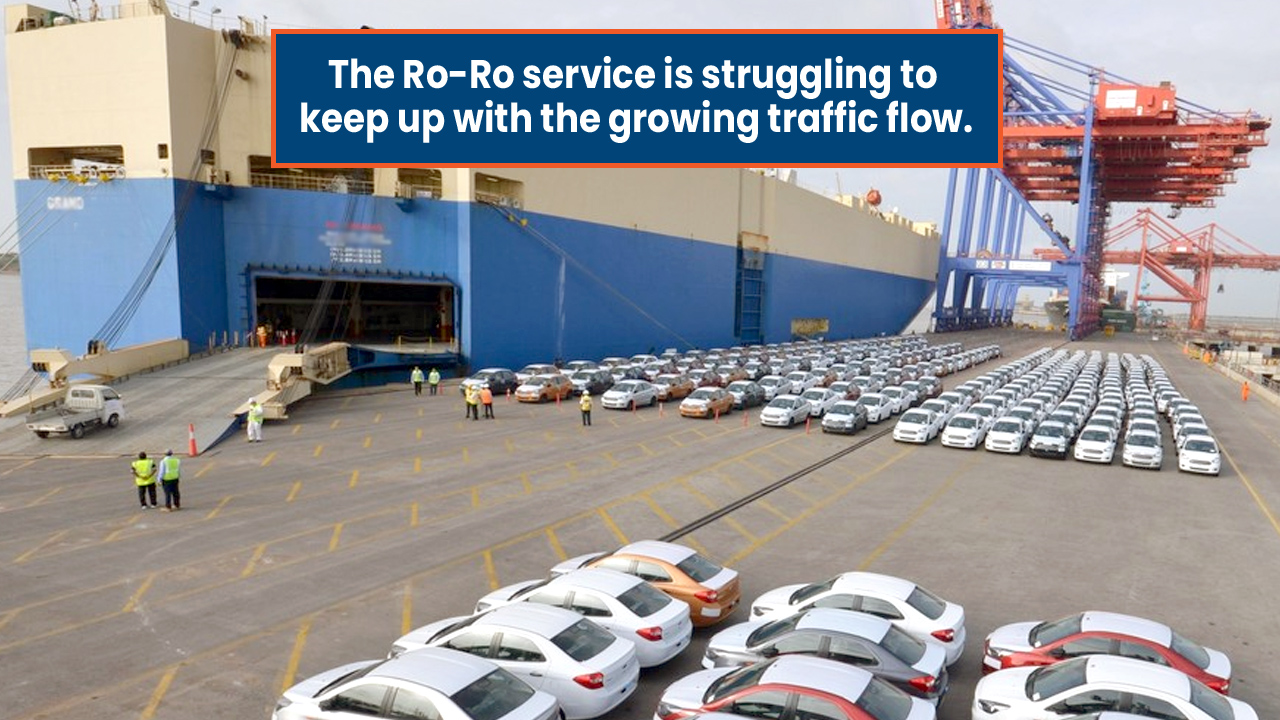
The Ro-Ro (roll-on/roll-off) service is currently facing significant challenges due to an increasing volume of traffic, resulting in congestion and delays at various ports. This surge in demand can be attributed to factors such as rising trade activity, an uptick in vehicle transportation, and overall growth in logistics needs. As more vehicles and cargo are being transported, the existing infrastructure and operational capacity of Ro-Ro services are being stretched. This has led to longer wait times for vessels to load and unload, as well as increased pressure on port facilities that may not be adequately equipped to handle the higher traffic levels. The congestion not only affects shipping schedules but can also have ripple effects throughout supply chains, causing delays in deliveries and potentially driving up costs for businesses reliant on timely transport. In response, operators are exploring solutions such as optimizing schedules, enhancing loading and unloading processes, and potentially increasing the number of vessels in service. Additionally, investments in port infrastructure may be necessary to accommodate future growth and ensure that Ro-Ro services can operate efficiently. Addressing these challenges is critical to maintaining the reliability and competitiveness of Ro-Ro transportation in the face of increasing demand.

28 Oct 24
blog image
Maritime
Port Terminal Services

The Ro-Ro service is struggling to keep up with the growing traffic flow.

The Ro-Ro (roll-on/roll-off) service is currently facing significant challenges due to an increasing volume of traffic, resulting in congestion and delays at various ports. This surge in demand can be attributed to factors such as rising trade activity, an uptick in vehicle transportation, and overall growth in logistics needs. As more vehicles and cargo are being transported, the existing infrastructure and operational capacity of Ro-Ro services are being stretched. This has led to longer wait times for vessels to load and unload, as well as increased pressure on port facilities that may not be adequately equipped to handle the higher traffic levels. The congestion not only affects shipping schedules but can also have ripple effects throughout supply chains, causing delays in deliveries and potentially driving up costs for businesses reliant on timely transport. In response, operators are exploring solutions such as optimizing schedules, enhancing loading and unloading processes, and potentially increasing the number of vessels in service. Additionally, investments in port infrastructure may be necessary to accommodate future growth and ensure that Ro-Ro services can operate efficiently. Addressing these challenges is critical to maintaining the reliability and competitiveness of Ro-Ro transportation in the face of increasing demand.


28 Oct 24
blog image
Maritime
Port Terminal Services

The Ro-Ro service is struggling to keep up with the growing traffic flow.

The Ro-Ro (roll-on/roll-off) service is currently facing significant challenges due to an increasing volume of traffic, resulting in congestion and delays at various ports. This surge in demand can be attributed to factors such as rising trade activity, an uptick in vehicle transportation, and overall growth in logistics needs. As more vehicles and cargo are being transported, the existing infrastructure and operational capacity of Ro-Ro services are being stretched. This has led to longer wait times for vessels to load and unload, as well as increased pressure on port facilities that may not be adequately equipped to handle the higher traffic levels. The congestion not only affects shipping schedules but can also have ripple effects throughout supply chains, causing delays in deliveries and potentially driving up costs for businesses reliant on timely transport. In response, operators are exploring solutions such as optimizing schedules, enhancing loading and unloading processes, and potentially increasing the number of vessels in service. Additionally, investments in port infrastructure may be necessary to accommodate future growth and ensure that Ro-Ro services can operate efficiently. Addressing these challenges is critical to maintaining the reliability and competitiveness of Ro-Ro transportation in the face of increasing demand.


28 Oct 24