All Categories
.png) Maritime
Maritime  Port Terminal Services
  Ocean Logistics
  Air Logistics
  Land Logistics
  Chartering & Broking
 .png) Warehousing
Warehousing  Freight Forwarders
  Association & Institute
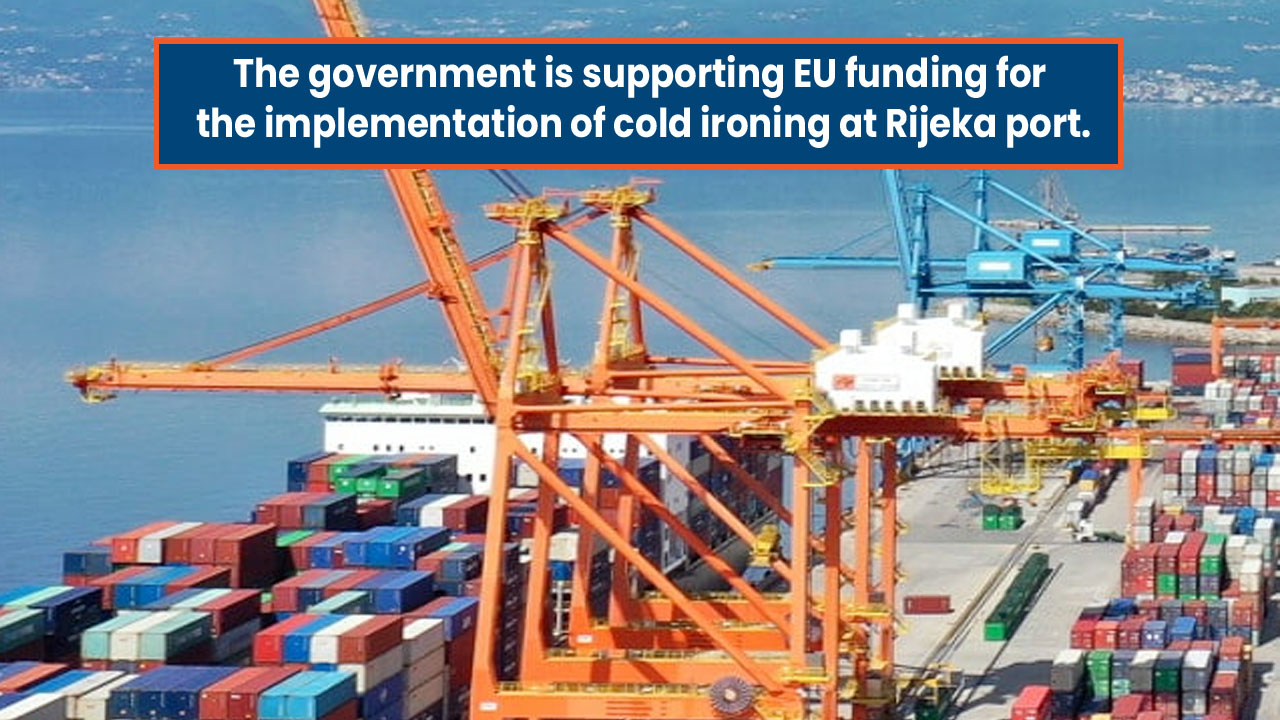
 The government's support for EU funding to
implement cold ironing at Rijeka port represents a significant step toward
enhancing environmental sustainability in maritime operations. Cold ironing, or
shore-to-ship power, allows docked vessels to connect to the local power grid
instead of using their diesel generators, thereby reducing air pollution and
greenhouse gas emissions. Rijeka port, being one of Croatia's key maritime
hubs, is strategically important for trade and transportation. The introduction
of cold ironing is expected to improve air quality in the surrounding area,
contributing to broader European Union goals for reducing emissions in the
shipping sector. The funding from the EU aims to cover the necessary
infrastructure upgrades, including the installation of power supply systems
that can accommodate various types of vessels. This initiative not only aligns
with EU environmental regulations but also enhances the port's competitiveness
by attracting shipping companies that prioritize sustainability. Additionally,
the project is expected to benefit local communities by improving public health
and potentially increasing tourism appeal due to a cleaner environment.
Overall, the government's backing of this initiative underscores a commitment
to sustainable development and environmental stewardship in Croatia's maritime
sector.
Maritime
The government is supporting EU funding for the implementation of cold ironing at Rijeka port.
28 Oct 24