All Categories
.png) Maritime
Maritime  Port Terminal Services
  Ocean Logistics
  Air Logistics
  Land Logistics
  Chartering & Broking
 .png) Warehousing
Warehousing  Freight Forwarders
  Association & Institute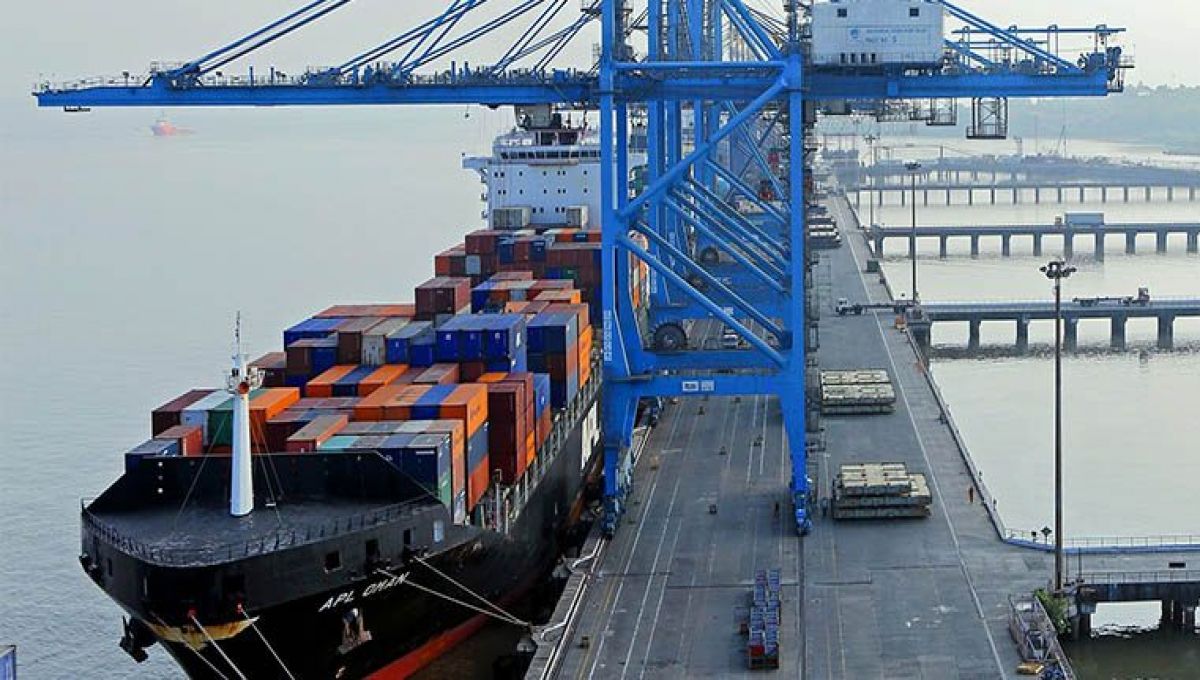
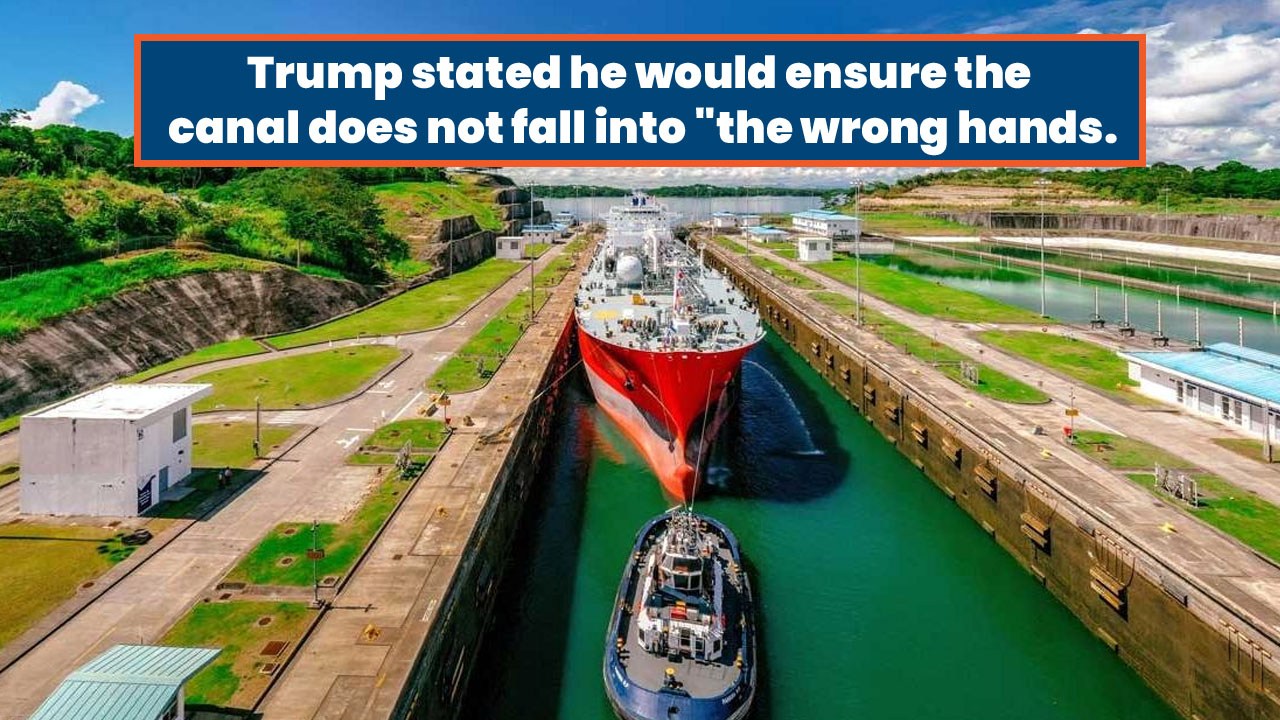
A severe drought at the Panama Canal, attributed to the El Nino climate pattern, has led to record-low water levels, impacting global food supply chains. The Panama Canal Authority's restrictions on daily transits have caused delays in U.S. grain exports to Asia, forcing ships to take longer routes. The limited transit slots, coupled with high auction costs, are pricing many grain carriers out. Some ships are opting for detours through the Suez Canal or around southern Africa, exacerbating shipping challenges. The disruptions are raising concerns about potential food price increases for Asian consumers, particularly in Japan, heavily dependent on U.S. grain imports. The situation is compounded by rising charter rates and geopolitical tensions affecting alternative routes. The article suggests that the impact on grain shipments may persist due to uncertain water levels, potentially affecting global food procurement costs.
SOURCE:GOOGLE