SPECIAL OFFER • LIMITED TIME

Ruzave Alliance

Get real-time shipping updates, verified business visibility, and growth tools for your Alliance Group — First Come, First Serve.

Ruzave Alliance
Verified Network
📈 Business Growth/Chat
🌍 Global Community
Trusted by shipping professionals • Download the app now

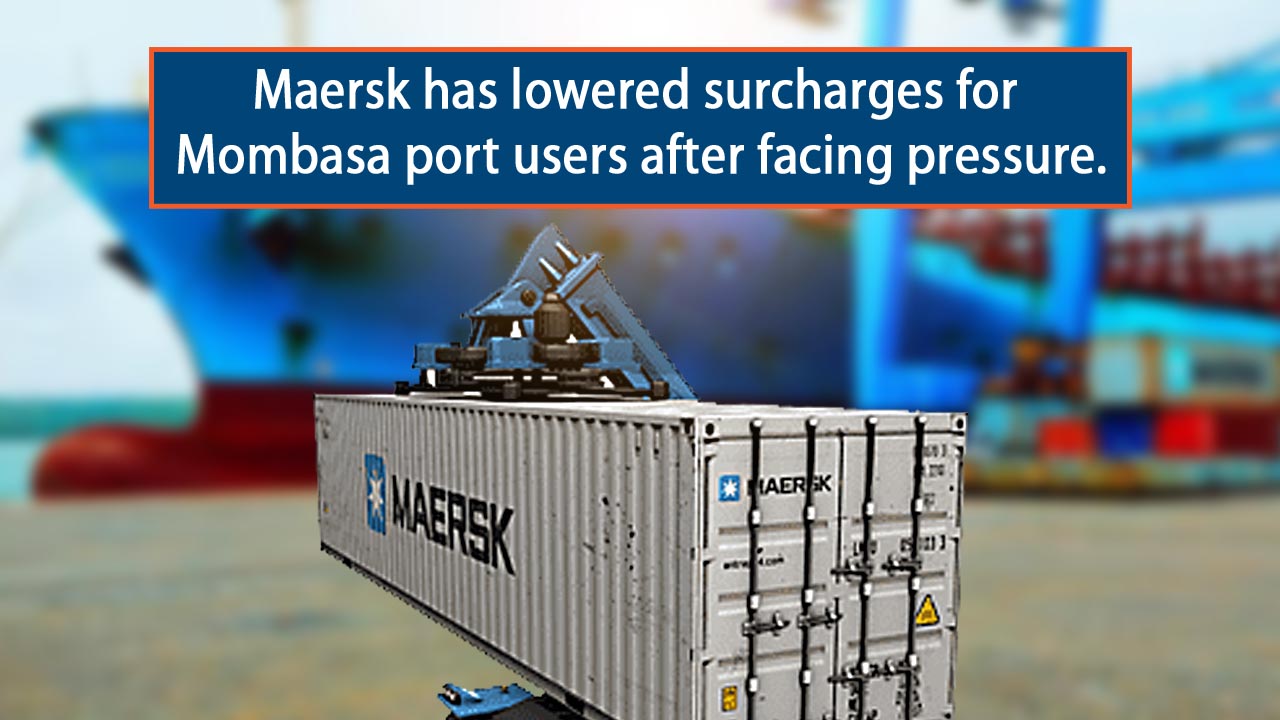
Maersk has lowered surcharges for Mombasa port users after facing pressure.

Maersk has lowered surcharges for Mombasa port users after facing pressure.
blog image
Maritime
Port Terminal Services

Maersk has lowered surcharges for Mombasa port users after facing pressure.

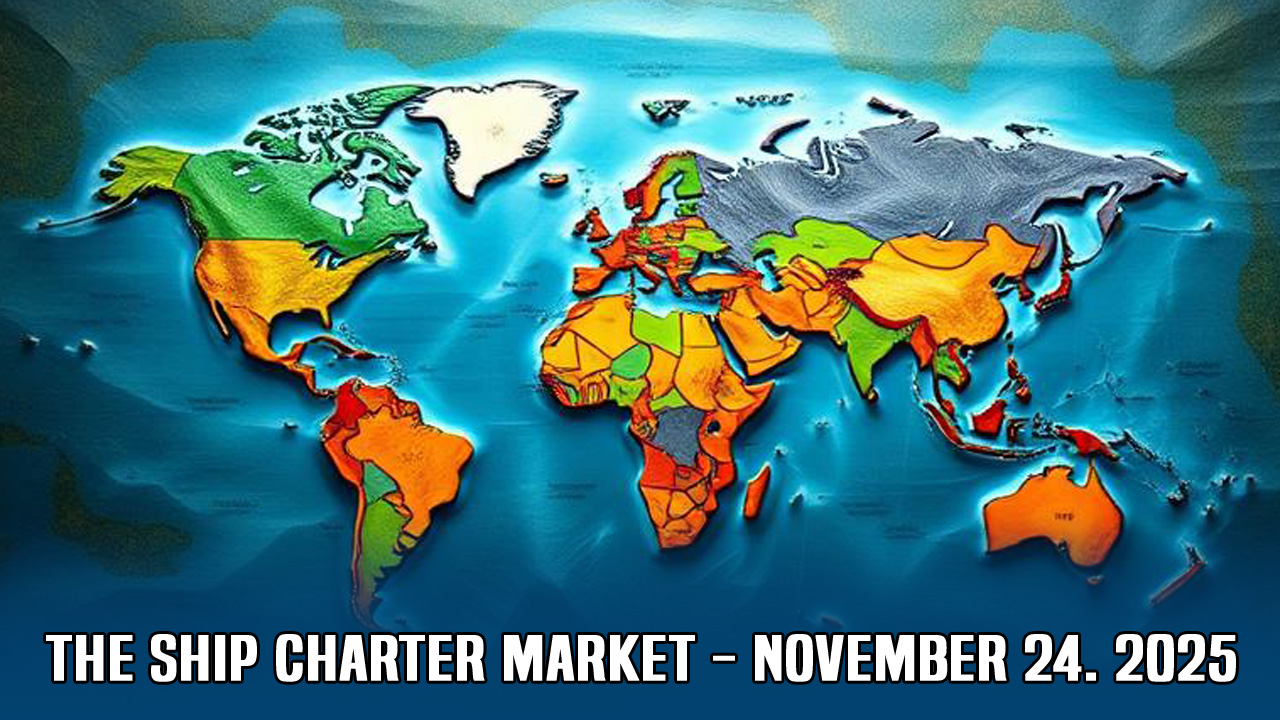
Traders at the Port of Mombasa have recently been relieved from increased freight costs due to Maersk’s decision to reverse the surcharges it had introduced in mid-July. Maersk, a leading Danish shipping and logistics firm, handles the largest share of container traffic at Mombasa and faced significant pushback from local traders and shippers. This discontent led the Kenya Maritime Authority (KMA) to intervene and direct Maersk to reconsider the new charges. The original surcharges included substantial increases for various freight services. For instance, Maersk had introduced container surcharges ranging from $13 to $151, depending on container size and type, effective from July 15. Additionally, there were emergency surcharges related to the situation in the Red Sea and peak season surcharges that varied between $300 and $2,000, depending on the specifics of the shipment and destination. These increases were seen as a burden, leading to higher costs for traders and, consequently, more expensive goods for consumers.

In response to this pressure, Maersk has reverted to its previous surcharge rates and abolished several of the new fees altogether, starting from August 8. The changes include the removal of:

  • A $30 late documentation fee for export containers of all sizes.
  • A $150 late gate service fee per container.
  • A $30 late payment fee.
  • A $100 weight discrepancy fee per container.
  • A $30 late documentation surcharge per document.

Moreover, Maersk has reduced the Terminal Handling Service charge for containers at Mombasa. The rate for 40-foot and 45-foot containers heading to other global ports has been decreased to $148 from $151, while the rate for 20-foot containers has been reduced to $99 from $102. The transport document amendment fee for cargoes arriving at Mombasa from all global ports has been lowered to $70 from $200. In total, Maersk has adjusted surcharges for 21 other services, with reductions ranging from $2 to $50. Maersk acknowledged the feedback from its customers and expressed its appreciation for their business in a customer advisory. However, it remains unclear if Maersk has adjusted the emergency surcharges related to risks in the Red Sea. The ongoing conflict involving Houthi rebels has increased insurance premiums and shipping costs due to longer routes and heightened risks. Maersk plays a crucial role at the Port of Mombasa, accounting for 28% of the total container throughput. It is followed by Mediterranean Shipping Company (MSC), which handles 18.9% of the throughput, and CMA CGM, which accounts for 13.9%. Together, these three major shipping lines manage more than 60% of Kenya’s seaborne trade. This significant adjustment by Maersk highlights the company’s responsiveness to market pressures and its strategic importance in global shipping, which is essential for transporting around 90% of the world's trade. 

12 Aug 24
blog image
Maritime
Port Terminal Services

Maersk has lowered surcharges for Mombasa port users after facing pressure.

Traders at the Port of Mombasa have recently been relieved from increased freight costs due to Maersk’s decision to reverse the surcharges it had introduced in mid-July. Maersk, a leading Danish shipping and logistics firm, handles the largest share of container traffic at Mombasa and faced significant pushback from local traders and shippers. This discontent led the Kenya Maritime Authority (KMA) to intervene and direct Maersk to reconsider the new charges. The original surcharges included substantial increases for various freight services. For instance, Maersk had introduced container surcharges ranging from $13 to $151, depending on container size and type, effective from July 15. Additionally, there were emergency surcharges related to the situation in the Red Sea and peak season surcharges that varied between $300 and $2,000, depending on the specifics of the shipment and destination. These increases were seen as a burden, leading to higher costs for traders and, consequently, more expensive goods for consumers.

In response to this pressure, Maersk has reverted to its previous surcharge rates and abolished several of the new fees altogether, starting from August 8. The changes include the removal of:

  • A $30 late documentation fee for export containers of all sizes.
  • A $150 late gate service fee per container.
  • A $30 late payment fee.
  • A $100 weight discrepancy fee per container.
  • A $30 late documentation surcharge per document.

Moreover, Maersk has reduced the Terminal Handling Service charge for containers at Mombasa. The rate for 40-foot and 45-foot containers heading to other global ports has been decreased to $148 from $151, while the rate for 20-foot containers has been reduced to $99 from $102. The transport document amendment fee for cargoes arriving at Mombasa from all global ports has been lowered to $70 from $200. In total, Maersk has adjusted surcharges for 21 other services, with reductions ranging from $2 to $50. Maersk acknowledged the feedback from its customers and expressed its appreciation for their business in a customer advisory. However, it remains unclear if Maersk has adjusted the emergency surcharges related to risks in the Red Sea. The ongoing conflict involving Houthi rebels has increased insurance premiums and shipping costs due to longer routes and heightened risks. Maersk plays a crucial role at the Port of Mombasa, accounting for 28% of the total container throughput. It is followed by Mediterranean Shipping Company (MSC), which handles 18.9% of the throughput, and CMA CGM, which accounts for 13.9%. Together, these three major shipping lines manage more than 60% of Kenya’s seaborne trade. This significant adjustment by Maersk highlights the company’s responsiveness to market pressures and its strategic importance in global shipping, which is essential for transporting around 90% of the world's trade. 

12 Aug 24
blog image
Maritime
Port Terminal Services

Maersk has lowered surcharges for Mombasa port users after facing pressure.

Traders at the Port of Mombasa have recently been relieved from increased freight costs due to Maersk’s decision to reverse the surcharges it had introduced in mid-July. Maersk, a leading Danish shipping and logistics firm, handles the largest share of container traffic at Mombasa and faced significant pushback from local traders and shippers. This discontent led the Kenya Maritime Authority (KMA) to intervene and direct Maersk to reconsider the new charges. The original surcharges included substantial increases for various freight services. For instance, Maersk had introduced container surcharges ranging from $13 to $151, depending on container size and type, effective from July 15. Additionally, there were emergency surcharges related to the situation in the Red Sea and peak season surcharges that varied between $300 and $2,000, depending on the specifics of the shipment and destination. These increases were seen as a burden, leading to higher costs for traders and, consequently, more expensive goods for consumers.

In response to this pressure, Maersk has reverted to its previous surcharge rates and abolished several of the new fees altogether, starting from August 8. The changes include the removal of:

  • A $30 late documentation fee for export containers of all sizes.
  • A $150 late gate service fee per container.
  • A $30 late payment fee.
  • A $100 weight discrepancy fee per container.
  • A $30 late documentation surcharge per document.

Moreover, Maersk has reduced the Terminal Handling Service charge for containers at Mombasa. The rate for 40-foot and 45-foot containers heading to other global ports has been decreased to $148 from $151, while the rate for 20-foot containers has been reduced to $99 from $102. The transport document amendment fee for cargoes arriving at Mombasa from all global ports has been lowered to $70 from $200. In total, Maersk has adjusted surcharges for 21 other services, with reductions ranging from $2 to $50. Maersk acknowledged the feedback from its customers and expressed its appreciation for their business in a customer advisory. However, it remains unclear if Maersk has adjusted the emergency surcharges related to risks in the Red Sea. The ongoing conflict involving Houthi rebels has increased insurance premiums and shipping costs due to longer routes and heightened risks. Maersk plays a crucial role at the Port of Mombasa, accounting for 28% of the total container throughput. It is followed by Mediterranean Shipping Company (MSC), which handles 18.9% of the throughput, and CMA CGM, which accounts for 13.9%. Together, these three major shipping lines manage more than 60% of Kenya’s seaborne trade. This significant adjustment by Maersk highlights the company’s responsiveness to market pressures and its strategic importance in global shipping, which is essential for transporting around 90% of the world's trade. 

12 Aug 24