SPECIAL OFFER • LIMITED TIME

Ruzave Alliance

Get real-time shipping updates, verified business visibility, and growth tools for your Alliance Group — First Come, First Serve.

Ruzave Alliance
Verified Network
📈 Business Growth/Chat
🌍 Global Community
Trusted by shipping professionals • Download the app now

Hoegh Autoliners has launched its biggest and greenest car carrier (Vessel), designed to be both huge and eco-friendly.

Hoegh Autoliners has launched its biggest and greenest car carrier (Vessel), designed to be both huge and eco-friendly.
blog image
Maritime

Hoegh Autoliners has launched its biggest and greenest car carrier (Vessel), designed to be both huge and eco-friendly.

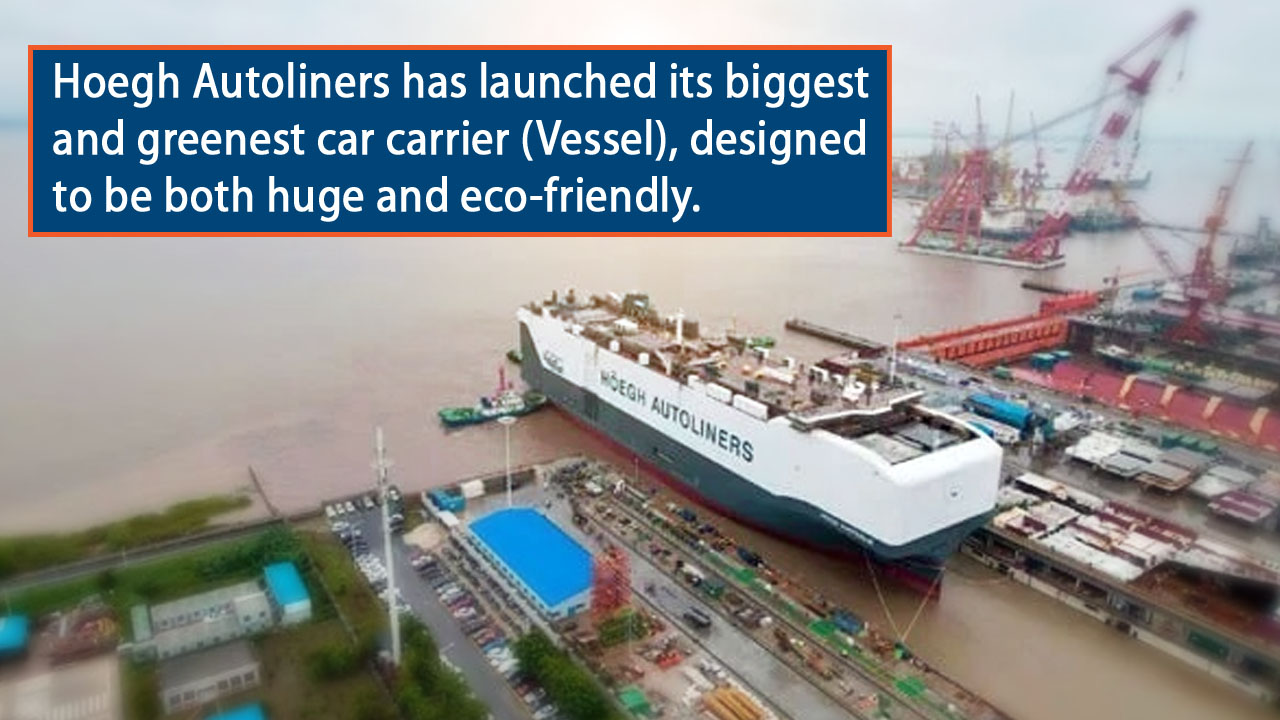
Hoegh Autoliners has just named and celebrated its largest and greenest car carrier yet, the Hoegh Aurora, which stands as the most eco-friendly PCTC ever built. This impressive ship can carry up to 9,100 vehicles and boasts smart features like reinforced decks and an advanced ramp system for electric cars on all 14 decks. Hoegh has ordered a total of 12 of these Aurora Class vessels from China, with plans for four to run on ammonia and options for four more. The entire fleet will meet top environmental standards, being both "ammonia ready" and "methanol ready." The Hoegh Aurora was launched at the China Merchants Heavy Industry yard, and Hoegh expects to add two more vessels every six months until mid-2027. CEO Andreas Enger emphasized that this new class is a big step toward Hoegh’s goal of achieving net-zero emissions by 2040. The first Aurora Class vessels will start off using LNG, biofuel, and low-sulphur oil, and they come with MAN’s 2-stroke engines that can easily adapt to new fuel types as they become available. These ships will also use shore power and feature 1,500 square meters of solar panels on their top deck, cutting their electricity needs from generators by 30 to 35 percent. Hoegh plans to shift to ammonia fuel by 2027, aiming to cut carbon emissions per car transported by up to 58% compared to the current average. By 2030, they hope to power at least 5% of their deep-sea operations with green ammonia, targeting 100,000 metric tons of it. The development of these vessels involved a wide range of partners, including Kongsberg Maritime for the bridge system, and contributions from DNV, DeltaMarin, MAN Energy Systems, MacGregor, TGE Marine, and more. This new fleet is coming into a growing market, with major shipping companies like CMA CGM and MSC Mediterranean Shipping making their debut, and Chinese car makers launching their own vessels. However, the EU’s potential tariffs on Chinese electric vehicles could affect future demand.

08 Aug 24
blog image
Maritime

Hoegh Autoliners has launched its biggest and greenest car carrier (Vessel), designed to be both huge and eco-friendly.

Hoegh Autoliners has just named and celebrated its largest and greenest car carrier yet, the Hoegh Aurora, which stands as the most eco-friendly PCTC ever built. This impressive ship can carry up to 9,100 vehicles and boasts smart features like reinforced decks and an advanced ramp system for electric cars on all 14 decks. Hoegh has ordered a total of 12 of these Aurora Class vessels from China, with plans for four to run on ammonia and options for four more. The entire fleet will meet top environmental standards, being both "ammonia ready" and "methanol ready." The Hoegh Aurora was launched at the China Merchants Heavy Industry yard, and Hoegh expects to add two more vessels every six months until mid-2027. CEO Andreas Enger emphasized that this new class is a big step toward Hoegh’s goal of achieving net-zero emissions by 2040. The first Aurora Class vessels will start off using LNG, biofuel, and low-sulphur oil, and they come with MAN’s 2-stroke engines that can easily adapt to new fuel types as they become available. These ships will also use shore power and feature 1,500 square meters of solar panels on their top deck, cutting their electricity needs from generators by 30 to 35 percent. Hoegh plans to shift to ammonia fuel by 2027, aiming to cut carbon emissions per car transported by up to 58% compared to the current average. By 2030, they hope to power at least 5% of their deep-sea operations with green ammonia, targeting 100,000 metric tons of it. The development of these vessels involved a wide range of partners, including Kongsberg Maritime for the bridge system, and contributions from DNV, DeltaMarin, MAN Energy Systems, MacGregor, TGE Marine, and more. This new fleet is coming into a growing market, with major shipping companies like CMA CGM and MSC Mediterranean Shipping making their debut, and Chinese car makers launching their own vessels. However, the EU’s potential tariffs on Chinese electric vehicles could affect future demand.


08 Aug 24
blog image
Maritime

Hoegh Autoliners has launched its biggest and greenest car carrier (Vessel), designed to be both huge and eco-friendly.

Hoegh Autoliners has just named and celebrated its largest and greenest car carrier yet, the Hoegh Aurora, which stands as the most eco-friendly PCTC ever built. This impressive ship can carry up to 9,100 vehicles and boasts smart features like reinforced decks and an advanced ramp system for electric cars on all 14 decks. Hoegh has ordered a total of 12 of these Aurora Class vessels from China, with plans for four to run on ammonia and options for four more. The entire fleet will meet top environmental standards, being both "ammonia ready" and "methanol ready." The Hoegh Aurora was launched at the China Merchants Heavy Industry yard, and Hoegh expects to add two more vessels every six months until mid-2027. CEO Andreas Enger emphasized that this new class is a big step toward Hoegh’s goal of achieving net-zero emissions by 2040. The first Aurora Class vessels will start off using LNG, biofuel, and low-sulphur oil, and they come with MAN’s 2-stroke engines that can easily adapt to new fuel types as they become available. These ships will also use shore power and feature 1,500 square meters of solar panels on their top deck, cutting their electricity needs from generators by 30 to 35 percent. Hoegh plans to shift to ammonia fuel by 2027, aiming to cut carbon emissions per car transported by up to 58% compared to the current average. By 2030, they hope to power at least 5% of their deep-sea operations with green ammonia, targeting 100,000 metric tons of it. The development of these vessels involved a wide range of partners, including Kongsberg Maritime for the bridge system, and contributions from DNV, DeltaMarin, MAN Energy Systems, MacGregor, TGE Marine, and more. This new fleet is coming into a growing market, with major shipping companies like CMA CGM and MSC Mediterranean Shipping making their debut, and Chinese car makers launching their own vessels. However, the EU’s potential tariffs on Chinese electric vehicles could affect future demand.


08 Aug 24