SPECIAL OFFER • LIMITED TIME

Ruzave Alliance

Get real-time shipping updates, verified business visibility, and growth tools for your Alliance Group — First Come, First Serve.

Ruzave Alliance
Verified Network
📈 Business Growth/Chat
🌍 Global Community
Trusted by shipping professionals • Download the app now

Global Trade Faces Modest Rebound in 2024 Amidst Weak Demand and Supply Shocks

Global Trade Faces Modest Rebound in 2024 Amidst Weak Demand and Supply Shocks
blog image
Maritime

Global Trade Faces Modest Rebound in 2024 Amidst Weak Demand and Supply Shocks

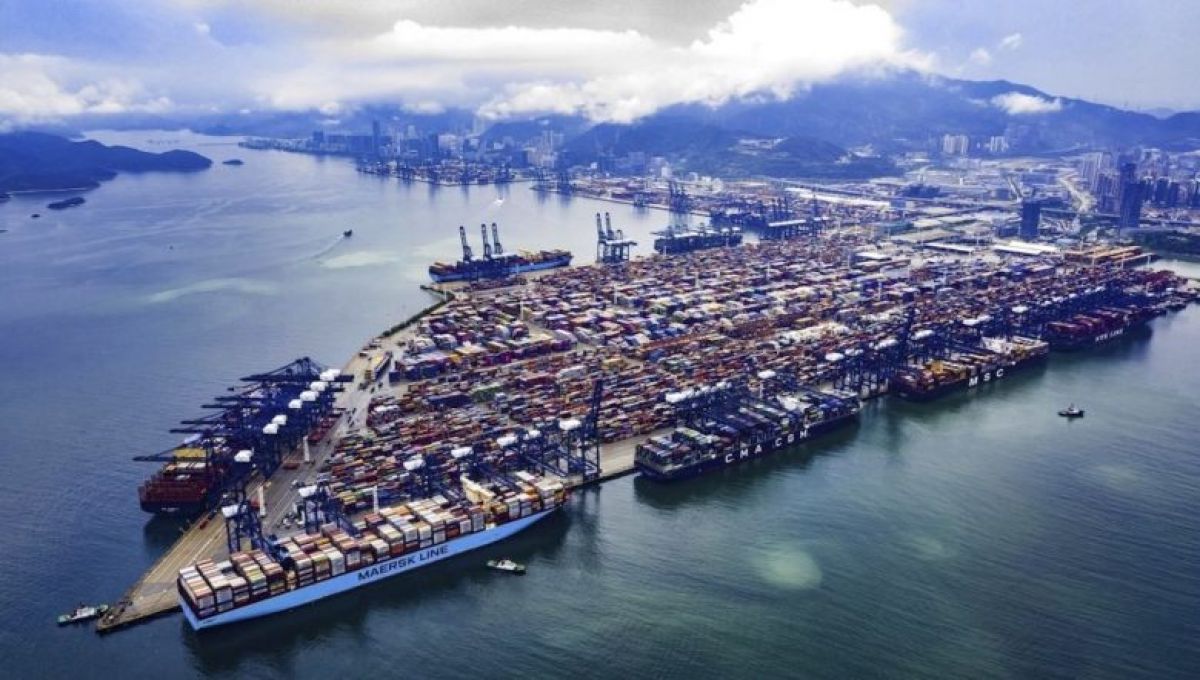
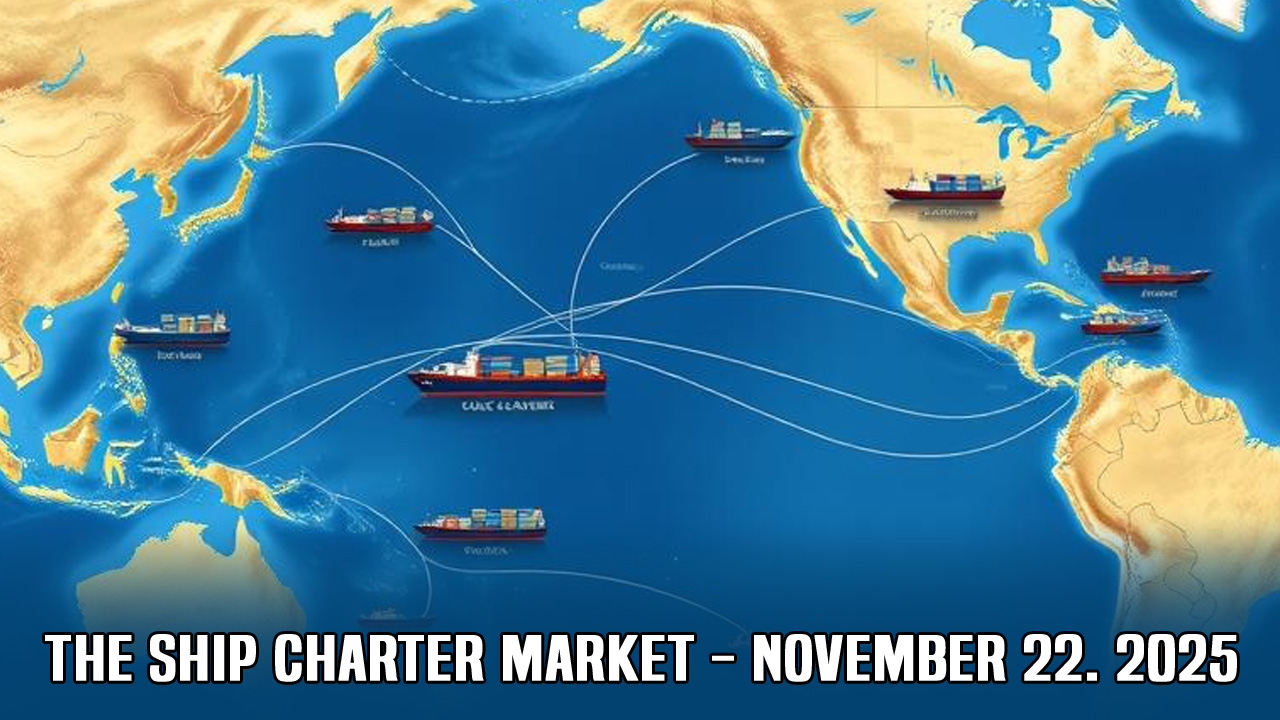
Global merchandise trade is anticipated to grow by 2.5% in 2024, trailing behind global GDP growth. The modest uptick is attributed more to a low comparative base than a robust recovery in global demand. Limited demand potential for goods in North America, South America, and Europe, coupled with supply shocks, including disruptions in container traffic due to extreme weather events and potential worker strikes at US ports, hinders significant trade momentum. Intra-Asian trade is expected to outperform the global average, driven by production shifts and robust intermediate trade, provided there are no major geopolitical upheavals.

Additionally, lower container rates in 2024 are anticipated, impacting carriers negatively but offering benefits to shippers and trade. Freight rates, after a gradual decline, have fallen below pre-pandemic averages in 2023. This development makes trade more attractive to shippers, despite challenges faced by container liners in maintaining profitability. Furthermore, there is an expectation of import diversification by Europe in 2024, aligning with a broader trend observed in advanced markets over recent years due to geopolitical risks and supply chain issues. The diversification trend is likely to continue as geopolitical risks persist.


SOURCE:GOOGLE


04 Dec 23
blog image
Maritime

Global Trade Faces Modest Rebound in 2024 Amidst Weak Demand and Supply Shocks

Global merchandise trade is anticipated to grow by 2.5% in 2024, trailing behind global GDP growth. The modest uptick is attributed more to a low comparative base than a robust recovery in global demand. Limited demand potential for goods in North America, South America, and Europe, coupled with supply shocks, including disruptions in container traffic due to extreme weather events and potential worker strikes at US ports, hinders significant trade momentum. Intra-Asian trade is expected to outperform the global average, driven by production shifts and robust intermediate trade, provided there are no major geopolitical upheavals.

Additionally, lower container rates in 2024 are anticipated, impacting carriers negatively but offering benefits to shippers and trade. Freight rates, after a gradual decline, have fallen below pre-pandemic averages in 2023. This development makes trade more attractive to shippers, despite challenges faced by container liners in maintaining profitability. Furthermore, there is an expectation of import diversification by Europe in 2024, aligning with a broader trend observed in advanced markets over recent years due to geopolitical risks and supply chain issues. The diversification trend is likely to continue as geopolitical risks persist.


SOURCE:GOOGLE

04 Dec 23
blog image
Maritime

Global Trade Faces Modest Rebound in 2024 Amidst Weak Demand and Supply Shocks

Global merchandise trade is anticipated to grow by 2.5% in 2024, trailing behind global GDP growth. The modest uptick is attributed more to a low comparative base than a robust recovery in global demand. Limited demand potential for goods in North America, South America, and Europe, coupled with supply shocks, including disruptions in container traffic due to extreme weather events and potential worker strikes at US ports, hinders significant trade momentum. Intra-Asian trade is expected to outperform the global average, driven by production shifts and robust intermediate trade, provided there are no major geopolitical upheavals.

Additionally, lower container rates in 2024 are anticipated, impacting carriers negatively but offering benefits to shippers and trade. Freight rates, after a gradual decline, have fallen below pre-pandemic averages in 2023. This development makes trade more attractive to shippers, despite challenges faced by container liners in maintaining profitability. Furthermore, there is an expectation of import diversification by Europe in 2024, aligning with a broader trend observed in advanced markets over recent years due to geopolitical risks and supply chain issues. The diversification trend is likely to continue as geopolitical risks persist.


SOURCE:GOOGLE


04 Dec 23