All Categories
.png) Maritime
Maritime  Port Terminal Services
  Ocean Logistics
  Air Logistics
  Land Logistics
  Chartering & Broking
 .png) Warehousing
Warehousing  Freight Forwarders
  Association & Institute
 The European Sea Ports Organization (ESPO) and the Federation of
European Private Port Companies and Terminals (FEPORT) are actively advocating
for a mandatory EU-wide tax exemption for onshore power supply (OPS), commonly
known as cold ironing, as part of the ongoing revisions to the Energy Taxation
Directive (ETD). Cold ironing allows vessels to connect to the electrical grid
while docked, enabling them to turn off their engines and significantly reduce
emissions of harmful pollutants, such as nitrogen oxides (NOx) and particulate
matter. This practice not only improves air quality in and around ports but
also aligns with the European Union's broader climate goals, which aim to cut
greenhouse gas emissions and promote the use of renewable energy. ESPO and FEPORT
argue that implementing a uniform tax exemption across all EU member states
will create a level playing field for ports investing in green technologies and
infrastructure. Currently, the lack of consistent regulations can hinder some
ports from adopting OPS systems due to the financial burden of energy taxes. A
tax exemption would alleviate this barrier, encouraging more ports to implement
sustainable practices and enhance their operational efficiency. Moreover, the
organizations emphasize that a strong commitment to cold ironing can attract
shipping companies seeking to reduce their carbon footprint, thereby boosting
the competitiveness of European ports in the global shipping industry. This
initiative would not only benefit the environment but also enhance the economic
viability of ports by fostering a greener, more efficient maritime transport
system. By advocating for this tax exemption, ESPO and FEPORT are positioning
European ports as leaders in sustainability, helping to drive the maritime
industry toward a more eco-friendly future while supporting the EU's ambitions
for a greener economy. Their call to action reflects a proactive approach to
balancing environmental responsibilities with the
economic realities of modern shipping.
Maritime
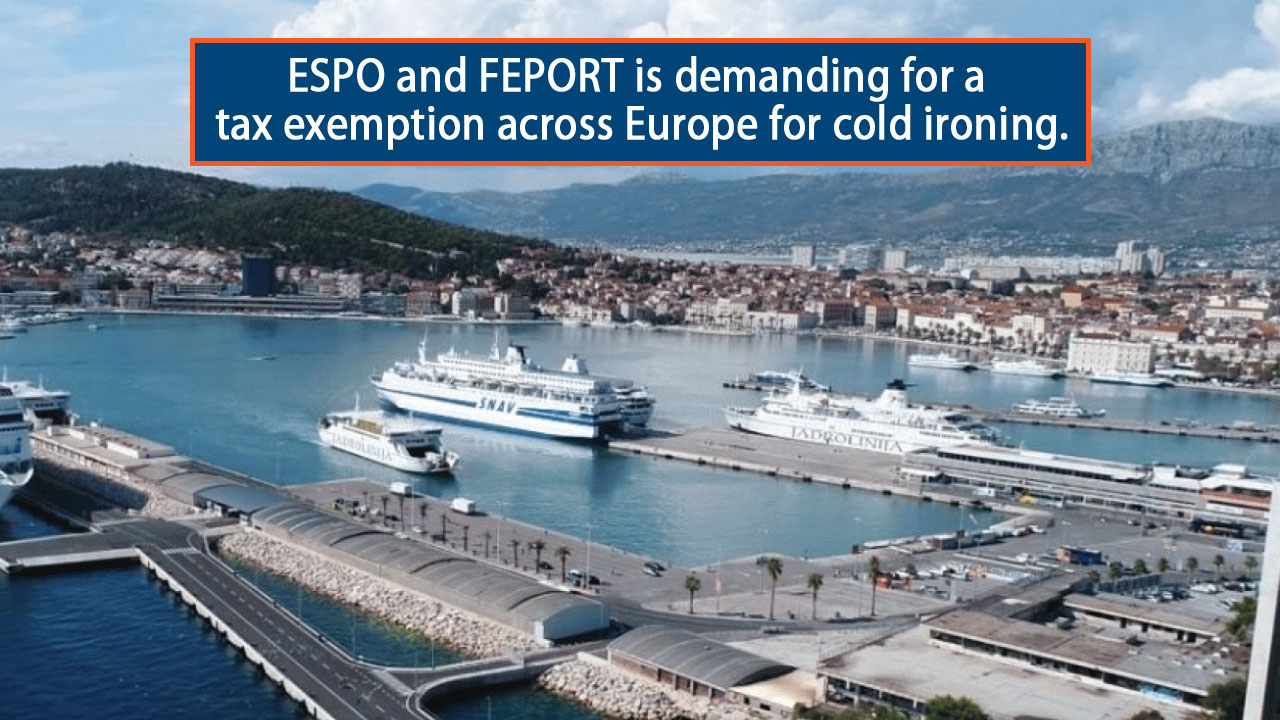
ESPO and FEPORT is demanding for a tax exemption across Europe for cold ironing.
27 Sep 24