SPECIAL OFFER • LIMITED TIME

Ruzave Alliance

Get real-time shipping updates, verified business visibility, and growth tools for your Alliance Group — First Come, First Serve.

Ruzave Alliance
Verified Network
📈 Business Growth/Chat
🌍 Global Community
Trusted by shipping professionals • Download the app now

Container shippers are hedging their volumes to navigate the uncertainties of the market more effectively.

Container shippers are hedging their volumes to navigate the uncertainties of the market more effectively.
blog image
Ocean Logistics
Land Logistics

Container shippers are hedging their volumes to navigate the uncertainties of the market more effectively.

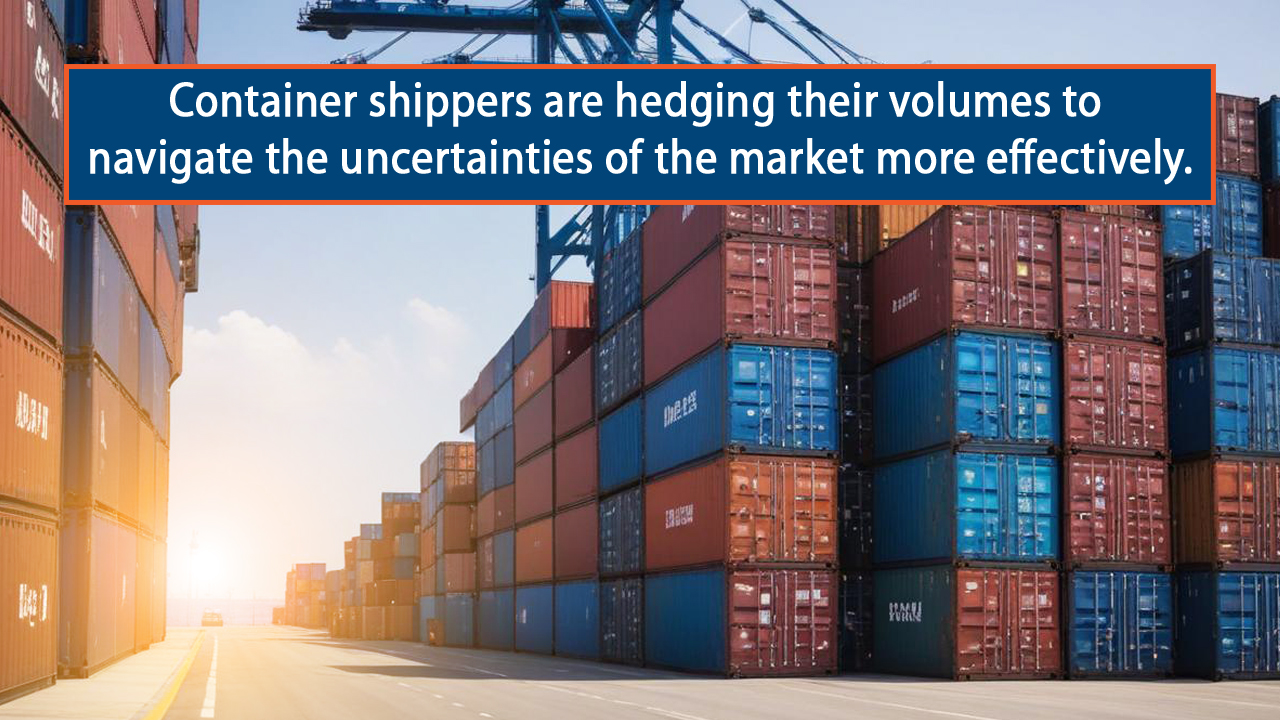
Over the past year, container volumes to Mexico have surged by about 30% due to the ongoing uncertainty in the US market. Meanwhile, new ships have been put to work on routes from Asia to Europe, which has helped keep capacity tight across various regional trades so far. Shippers and forwarders are facing significant challenges due to a mix of uncertainties. The ongoing conflict in the Middle East has introduced volatility, while the US election—once seeming to favour Donald Trump—is now more unpredictable. Adding to the complexity, the immediate economic outlook in the US remains worrisome. This combination of factors has made it difficult for those in the shipping industry to plan effectively and manage risks. Linerlytica reports that the Shanghai Containerized Freight Index (SCFI) has now fallen for the fourth week in a row, driven by growing concerns over a potential US recession. It’s important to note, though, that the SCFI doesn’t account for shipping volumes to Mexico. In contrast, contract rates for shipping to Mexico increased substantially on July 1st, reflecting stronger demand or higher costs for longer-term commitments. Meanwhile, Mexican spot rates have dropped, indicating a decline in short-term shipping costs despite the overall trend in the SCFI. This divergence highlights how regional dynamics can vary significantly from broader market trends.

09 Aug 24
blog image
Ocean Logistics
Land Logistics

Container shippers are hedging their volumes to navigate the uncertainties of the market more effectively.

Over the past year, container volumes to Mexico have surged by about 30% due to the ongoing uncertainty in the US market. Meanwhile, new ships have been put to work on routes from Asia to Europe, which has helped keep capacity tight across various regional trades so far. Shippers and forwarders are facing significant challenges due to a mix of uncertainties. The ongoing conflict in the Middle East has introduced volatility, while the US election—once seeming to favour Donald Trump—is now more unpredictable. Adding to the complexity, the immediate economic outlook in the US remains worrisome. This combination of factors has made it difficult for those in the shipping industry to plan effectively and manage risks. Linerlytica reports that the Shanghai Containerized Freight Index (SCFI) has now fallen for the fourth week in a row, driven by growing concerns over a potential US recession. It’s important to note, though, that the SCFI doesn’t account for shipping volumes to Mexico. In contrast, contract rates for shipping to Mexico increased substantially on July 1st, reflecting stronger demand or higher costs for longer-term commitments. Meanwhile, Mexican spot rates have dropped, indicating a decline in short-term shipping costs despite the overall trend in the SCFI. This divergence highlights how regional dynamics can vary significantly from broader market trends.


09 Aug 24
blog image
Ocean Logistics
Land Logistics

Container shippers are hedging their volumes to navigate the uncertainties of the market more effectively.

Over the past year, container volumes to Mexico have surged by about 30% due to the ongoing uncertainty in the US market. Meanwhile, new ships have been put to work on routes from Asia to Europe, which has helped keep capacity tight across various regional trades so far. Shippers and forwarders are facing significant challenges due to a mix of uncertainties. The ongoing conflict in the Middle East has introduced volatility, while the US election—once seeming to favour Donald Trump—is now more unpredictable. Adding to the complexity, the immediate economic outlook in the US remains worrisome. This combination of factors has made it difficult for those in the shipping industry to plan effectively and manage risks. Linerlytica reports that the Shanghai Containerized Freight Index (SCFI) has now fallen for the fourth week in a row, driven by growing concerns over a potential US recession. It’s important to note, though, that the SCFI doesn’t account for shipping volumes to Mexico. In contrast, contract rates for shipping to Mexico increased substantially on July 1st, reflecting stronger demand or higher costs for longer-term commitments. Meanwhile, Mexican spot rates have dropped, indicating a decline in short-term shipping costs despite the overall trend in the SCFI. This divergence highlights how regional dynamics can vary significantly from broader market trends.


09 Aug 24