SPECIAL OFFER • LIMITED TIME

Ruzave Alliance

Get real-time shipping updates, verified business visibility, and growth tools for your Alliance Group — First Come, First Serve.

Ruzave Alliance
Verified Network
📈 Business Growth/Chat
🌍 Global Community
Trusted by shipping professionals • Download the app now

"Container Lines May Raise Rates by Up to $450/TEU to Cover Decarbonization Costs"

"Container Lines May Raise Rates by Up to $450/TEU to Cover Decarbonization Costs"
blog image
Maritime

"Container Lines May Raise Rates by Up to $450/TEU to Cover Decarbonization Costs"

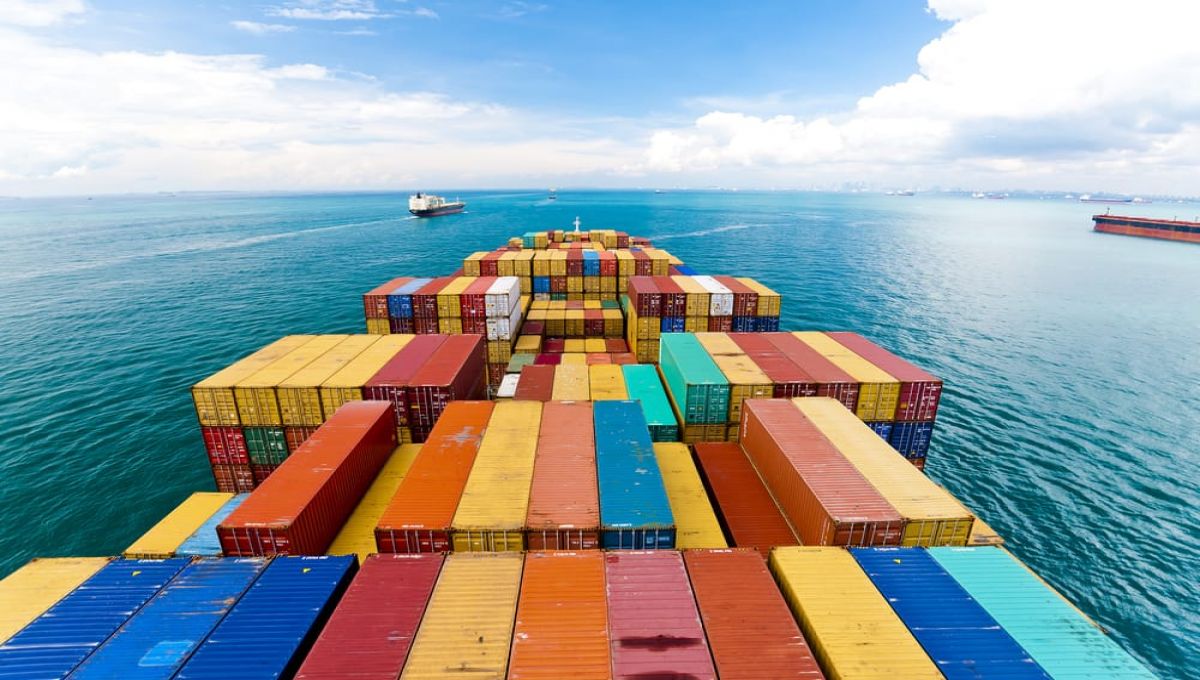
A study by consultancy UMAS suggests that container lines may need to increase freight rates by up to $450 per twenty-foot equivalent unit (TEU) on deep-sea trade routes to offset the additional expenses associated with decarbonizing maritime operations. The transition to low-carbon fuels requires extra investments in new propulsion systems and "green" fuels. The study estimates that the additional costs of running a zero-emission ship could range between $30/TEU and $70/TEU on a Chinese coastal route and between $90/TEU and $450/TEU on a trans-Pacific route by 2030. The pressure from regulators and eco-conscious customers is driving shipping companies to adopt alternatives to conventional fuels, leading to increased investments in green technologies. Methanol and ammonia are emerging as popular choices, with the study suggesting that ammonia could eventually be a cheaper option. However, the study emphasizes the need for a collaborative effort to bridge the fuel cost gap and support the industry's transition to a more sustainable future.


SOURCE:GOOGLE

11 Dec 23
blog image
Maritime

"Container Lines May Raise Rates by Up to $450/TEU to Cover Decarbonization Costs"

A study by consultancy UMAS suggests that container lines may need to increase freight rates by up to $450 per twenty-foot equivalent unit (TEU) on deep-sea trade routes to offset the additional expenses associated with decarbonizing maritime operations. The transition to low-carbon fuels requires extra investments in new propulsion systems and "green" fuels. The study estimates that the additional costs of running a zero-emission ship could range between $30/TEU and $70/TEU on a Chinese coastal route and between $90/TEU and $450/TEU on a trans-Pacific route by 2030. The pressure from regulators and eco-conscious customers is driving shipping companies to adopt alternatives to conventional fuels, leading to increased investments in green technologies. Methanol and ammonia are emerging as popular choices, with the study suggesting that ammonia could eventually be a cheaper option. However, the study emphasizes the need for a collaborative effort to bridge the fuel cost gap and support the industry's transition to a more sustainable future.


SOURCE:GOOGLE
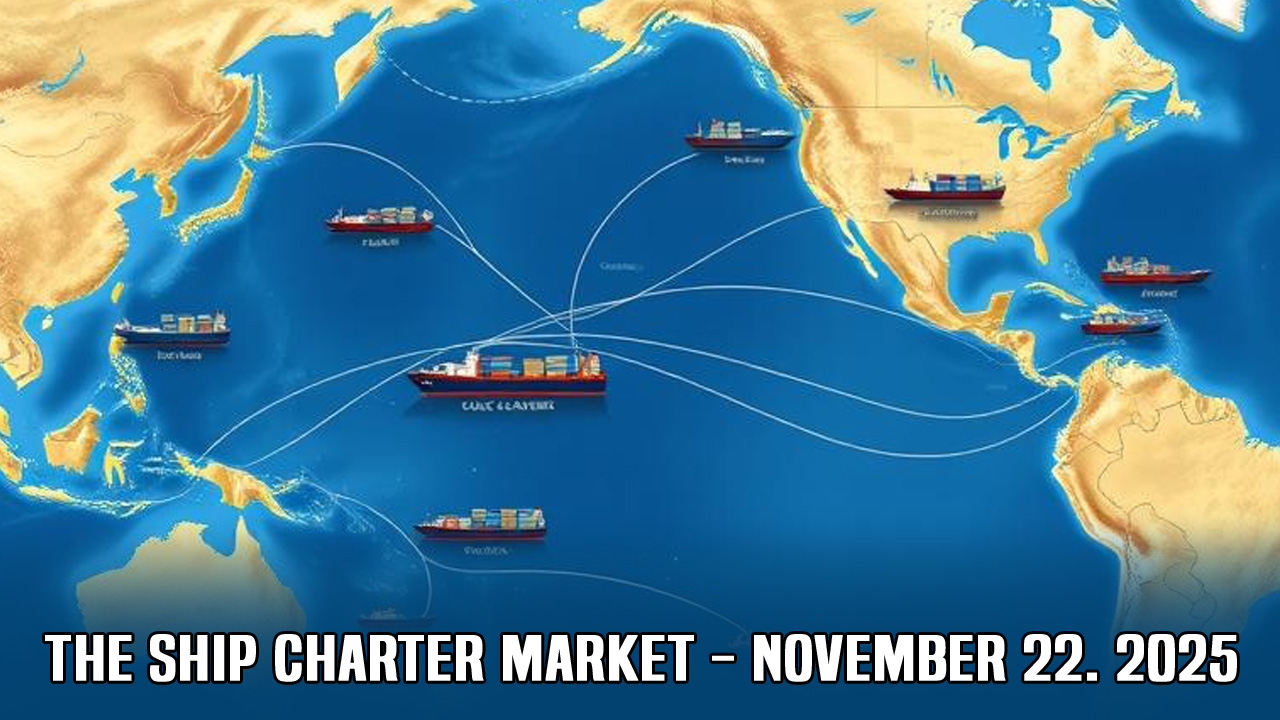

11 Dec 23
blog image
Maritime

"Container Lines May Raise Rates by Up to $450/TEU to Cover Decarbonization Costs"

A study by consultancy UMAS suggests that container lines may need to increase freight rates by up to $450 per twenty-foot equivalent unit (TEU) on deep-sea trade routes to offset the additional expenses associated with decarbonizing maritime operations. The transition to low-carbon fuels requires extra investments in new propulsion systems and "green" fuels. The study estimates that the additional costs of running a zero-emission ship could range between $30/TEU and $70/TEU on a Chinese coastal route and between $90/TEU and $450/TEU on a trans-Pacific route by 2030. The pressure from regulators and eco-conscious customers is driving shipping companies to adopt alternatives to conventional fuels, leading to increased investments in green technologies. Methanol and ammonia are emerging as popular choices, with the study suggesting that ammonia could eventually be a cheaper option. However, the study emphasizes the need for a collaborative effort to bridge the fuel cost gap and support the industry's transition to a more sustainable future.


SOURCE:GOOGLE
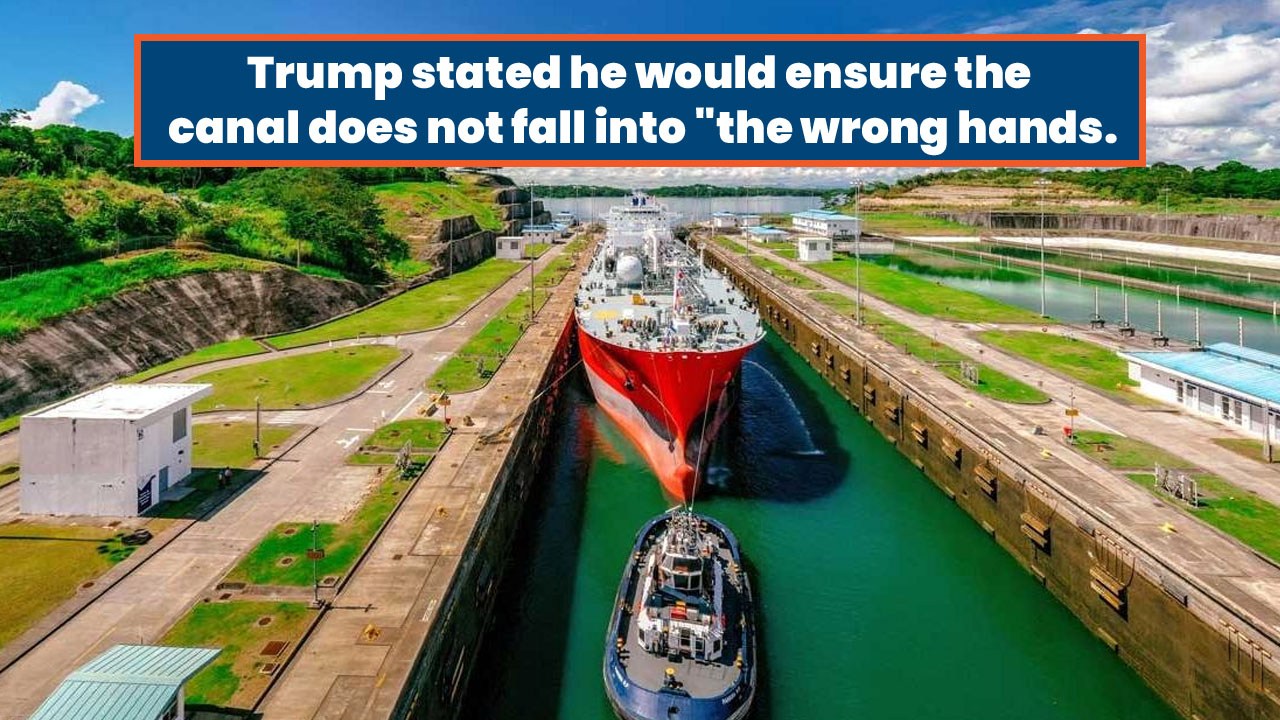

11 Dec 23